



Find an exact game guide

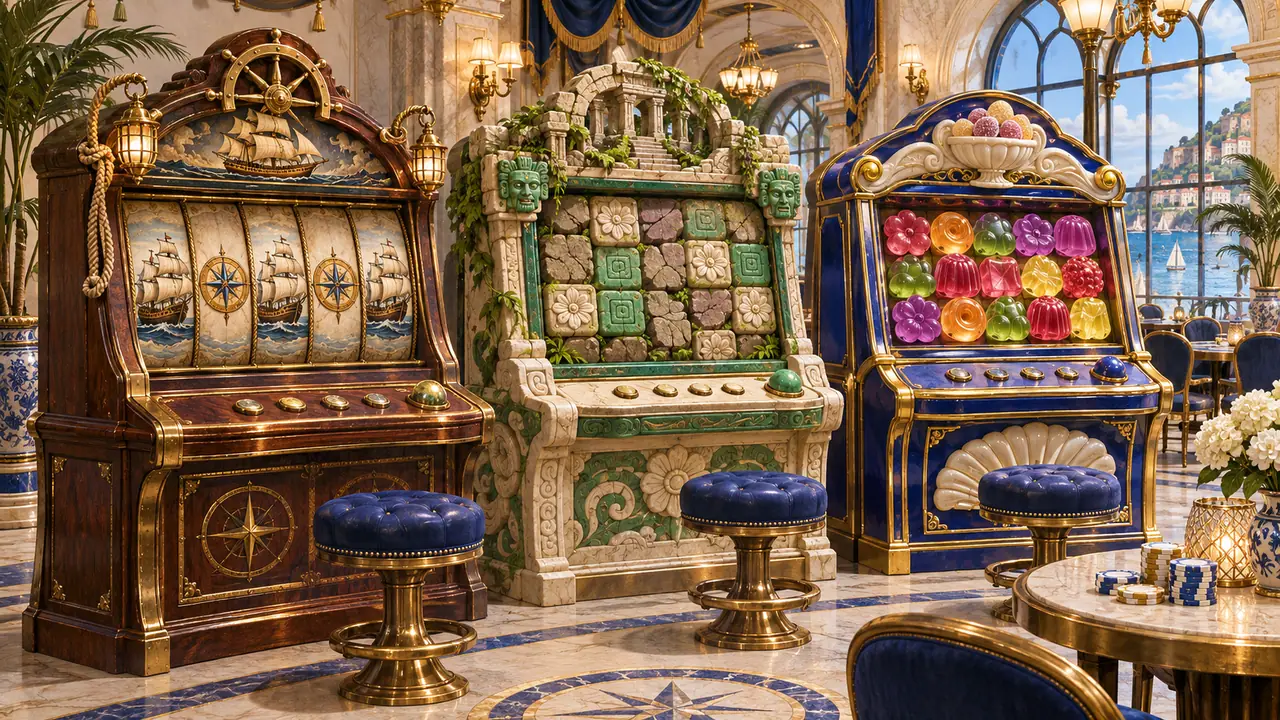
1429 Uncharted Seas
Thunderkick · fixed lines
Published provider RTP: 98.6%
Published volatility: Low
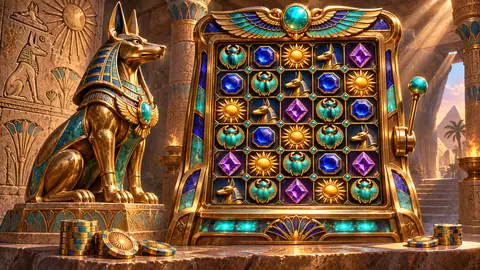
Hand of Anubis
Hacksaw Gaming · cluster
Published operator RTP example: 96.24% · MrQ published listing
Published volatility: High

Deadwood
Nolimit City · xNudge ways
Published provider RTP: 96.03%
Published volatility: Extreme (10+)
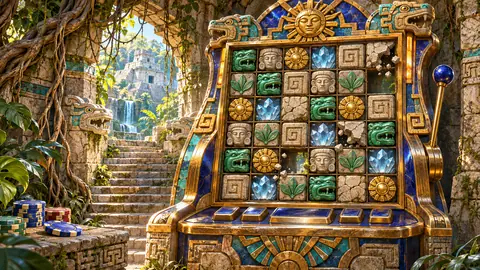
Temple Tumble Megaways
Relax Gaming · Megaways
Published volatility: High

Wolf Gold
Pragmatic Play · fixed lines respins
Published operator RTP example: 93.99% · MrQ published listing

Bullets and Bounty
Hacksaw Gaming · DuelReels
Published operator RTP example: 96.27% · Fluffy Spins published listing

Big Bad Wolf
Quickspin · falling symbols
Current provider RTP models: 90% / 97%
Published volatility: High

Steam Tower
NetEnt · fixed lines progression
Published provider RTP: 97.04%

Chicken Drop
Pragmatic Play · cluster transformations
Published operator RTP example: 96.50% · MrQ published listing

Sugar Rush
Pragmatic Play · cluster position multipliers
Published operator RTP example: 94.50% · MrQ published listing
In this guide
- What does this catalogue help you compare?
- How should you identify a similarly named game?
- What changes between lines, ways and clusters?
- How do the feature filters differ from a ranking?
- What can a provider demonstration establish?
- Which return figure belongs to the game you opened?
- Where should you continue after reading a game guide?
- Choose a guide by what changes on the screen
- 1429 Uncharted Seas explains line coverage and a separate bonus input
- Hand of Anubis separates orb state from remaining opportunities
- Deadwood requires the original release and the selected mode
- Temple Tumble is the route for a blocked-position question
- Explore 22Bet
- Bullets and Bounty follows a reel-specific duel and feature branches
- Big Bad Wolf tracks a consecutive sequence and Pig transformations
- Steam Tower attaches its feature value to a floor state
- Chicken Drop changes a region of symbols
- Sugar Rush stores progress at board addresses
- Keep the source beside each return figure
- A demonstration button begins a separate observation
- A filter narrows the reading set without changing the article
- Compare one rule at a time
- Move from a game question to a control question when the subject changes
- Use a partial record to find the right explanation
- Separate configuration research from a personal result record
- Preserve the question when following related links
What does this catalogue help you compare?
Each catalogue entry opens a complete guide to one game. Start with the feature you want to understand: changing reel layouts, values stored at grid positions and held money symbols all need different explanations. Similar cabinet colours tell you little about those rules. The catalogue brings the designs together so you can compare them without turning the card order into a best-to-worst ranking.
The cards show facts that can be tied to a named source. Open a guide for the meaning of those facts and the distinction between a provider catalogue value, an older game sheet and an operator’s published example. Missing numerical fields are omitted instead of being filled from another release.
How should you identify a similarly named game?
Read the complete title and the studio name together. Wolf Gold is not Wolf Gold Ultimate. The original Sugar Rush has its own position-multiplier rules; information about Sugar Rush 1000 cannot be substituted because the pictures contain the same sweets. A sequel can change both the feature behaviour and the available models.
Check the supplier as well as the title. The Big Bad Wolf entry here covers Quickspin’s release; a similarly named game from another studio needs its own rules. So does a later Cash Collect edition. Identifying the edition first matters when reading return information, because a familiar name cannot confirm that two published percentages belong to the same game or model.
What changes between lines, ways and clusters?
A line game evaluates specified routes through its reels. A ways game follows the matching-position rules of its own layout. A cluster game instead needs a qualifying connected group. Those descriptions explain what the engine evaluates; none establishes that one format will produce a better result during a particular session.
Falling symbols are another separate question. Symbols may be removed and replaced after a qualifying match, but the next evaluation still follows the game’s line, ways or cluster rule. The individual guides show a hypothetical sequence so the rule can be followed without mistaking an illustration for an observed paid round.
| Format | Question to read first |
|---|---|
| Fixed lines | Which routes and symbol matches qualify? |
| Variable ways | Which positions are active on each reel? |
| Clusters | Which neighbouring symbols form a group? |
| Collection or progression | What remains between evaluations, and when does it reset? |

How do the feature filters differ from a ranking?
The provider filter groups releases by their named studio. The feature filter groups the mechanism explained in the guide. Volatility is shown only where a source supports the classification. These categories are reading aids, and their order does not imply that an operator offers every game or that a title is suitable for every account.
A filtered view still links to the same underlying guide. Returning to all games restores the full catalogue. You do not need JavaScript for these links: the selection uses ordinary page anchors and local styles, so the catalogue remains usable when scripting is disabled.
What can a provider demonstration establish?
Where a public provider demonstration is available, it starts only after a deliberate button click. Until then, the page uses its own local artwork. A demonstration can help identify the displayed title and find the information screen, but it is not a deposit test or proof of availability in a particular casino account.
Some guides instead use a local feature map. That map explains the sequence discussed in the article and has no stake or cash balance. A missing verified embedded demonstration is not replaced with a competitor’s frame, an invented launch address or a button that silently redirects somewhere else.
Which return figure belongs to the game you opened?
A published return percentage describes a particular long-run model. The same named title can have more than one configuration, so a number in a provider catalogue and a different number in an operator listing should keep their source labels. Neither number guarantees a personal return or predicts the next evaluation.
The individual guides retain those distinctions. For example, an older game sheet can supply more decimal places than a current rounded catalogue entry. An operator may describe a different published model. Read the loaded game’s information panel rather than assuming that a familiar cover image proves which model is running.
Where should you continue after reading a game guide?
Use the related-game links to compare a specific mechanism, such as falling symbols, a held collection or a progressing bonus state. For a broader explanation of connected groups, the separate cluster-pays guide defines the rule without creating another page for the same named game. Each title keeps one destination in this catalogue.
Account controls remain separate from feature rules. A game’s return label does not replace a deposit limit, a session reminder or a decision to stop. The linked control guides explain what those settings record and limit, without treating a remembered game state as a reason to keep spending.
Choose a guide by what changes on the screen
A useful first question is what the game changes during its defining feature. The answer may be a reel’s symbol coverage, a position’s stored value, a blocked space, an ordinary spin counter or a modifier retained through a feature. These objects require different observations. The catalogue helps locate the article whose explanation matches that question.
Before using a filter, write down what you cannot explain. Is it a column counter, a held symbol or a value attached to a position? A broad collection category may bring up several games while only one addresses that particular question. Use the cards to find a likely match, then read the guide for the event order and the limits of what its sources establish.
1429 Uncharted Seas explains line coverage and a separate bonus input
Open the Thunderkick guide when the question concerns a fixed-line result or an expanding Wild on the middle reels. Its explanation distinguishes the Wild’s involvement in line evaluation from the bonus-symbol condition that opens free spins. The same nautical artwork does not make those symbol roles interchangeable.
That guide also keeps the provider’s catalogue percentage separate from an operator’s published example. If you have found different return figures for the same title, it explains why their source and configuration matter. Neither title matching nor choosing the larger figure can identify an unknown installation. Read each numerical label in context, alongside the feature explanation, before deciding which source could describe the game you opened.
Hand of Anubis separates orb state from remaining opportunities
The Hacksaw guide follows clusters, orb-related values and the different free-spin and Judgment routes. Its central reading problem is that a stored value and a remaining-opportunity counter can be visible together while measuring different things. A large counter is incomplete information until the reader knows what it counts and which feature is active.
Open Hand of Anubis when the unclear step is a reset, a column relationship or a change between features. Its worked illustrations label the current state without inventing a cash award. They also keep the provider’s description of the format separate from the operator’s published RTP example. The guide can explain how the counters differ while leaving an unverified installation’s precise model open.
Deadwood requires the original release and the selected mode
The Nolimit City guide concerns the original Deadwood xNudge. It explains a tall Hunter Wild moving into view, multiplier increments associated with nudges and a choice between Hunter and Gunslinger features. These distinctions depend on the original release and active mode, so a later R.I.P. source cannot be substituted merely because the Western setting is familiar.
Use the guide when the question concerns whether a value belongs to an individual Wild or persists through the bonus session. It also distinguishes the paired Sheriff-badge upgrade from the ordinary scatter entry. The feature names, trigger events and modifier scope belong in separate fields of a clear note. A maximum award or volatility label cannot supply those missing procedural inputs.
Temple Tumble is the route for a blocked-position question
The Relax Gaming article centres on stone blocks and the clearing condition that opens its feature choice. This makes it useful when a reader needs to distinguish board progress from ordinary symbol replacement. A tumble can change the arrangement, but the stone condition needs its own observed state before completion is claimed.
The guide also keeps the UK configuration question open where a game identifier does not explicitly establish a numeric return. A suffix is a label rather than a verified percentage. This is a useful example of a complete mechanical explanation coexisting with an unknown numerical field. The catalogue does not fill that field from another territory merely to make every card display the same amount of information.
Wolf Gold keeps its giant-symbol and Money Respin features separate
The original Pragmatic Play guide describes giant middle-symbol free spins and a distinct Money Respin feature with held money symbols. The important comparison is the retained object and active counter. A free-spin retrigger and a respin counter restoration are different events even when a numeral or part of the background appears familiar.
Choose this article when an almost-full collection or repeated reset needs explanation. Its account keeps occupied positions, individual displayed values and the full-grid component separate. A visible near-complete state does not establish the next symbol or the eventual total. The guide remains about the original release and does not import Ultimate, PowerJackpot or other family-product rules into that explanation.
Bullets and Bounty follows a reel-specific duel and feature branches
The Hacksaw article explains the condition that activates a DuelReel, the factor associated with its relevant wins and the distinction between collecting a value and settling an award. A large duel factor cannot be read as a multiplier on every other number in the interface. The rule must identify its object.
The guide also records separate named feature routes and additional DuelSpin activity. Choose it when an ordinary remaining-spin counter appears unchanged during another event or when two apparently similar openings lead to different later states. The explanation asks which route and stage are active before comparing their counters, rather than assuming that every visible continuation is another paid starting event.
Big Bad Wolf tracks a consecutive sequence and Pig transformations
The original Quickspin guide links Swooping Reels with Pig symbols becoming Wild as the continuing sequence develops. The consecutive-event count matters. Isolated wins from separate paid rounds cannot be added together to reconstruct that progression simply because the same Pig portraits appear. A sequence boundary is part of the explanation.
Use this article when a transformation seems to occur at a particular stage or when Moon-related free-spin activity is being confused with the Pig mechanism. It also preserves the distinction between current rounded RTP models, an older decimal figure and a largest observed simulation result. The last of those is not automatically a mathematical maximum for every configuration.
Steam Tower attaches its feature value to a floor state
The NetEnt article explains how the current floor relates to the multiplier displayed before a free spin. Its key boundary is timing: a later floor state should not be applied retrospectively to an earlier line award. Floor numbers, multiplier values and coin awards have different units even when they appear in one feature presentation.
Choose the guide for a question about which meter belongs to a result or how a feature reset affects the next base state. It leaves an unestablished precise trigger count open rather than borrowing one from another title. The provider catalogue percentage and hit-frequency field retain their own labels, so neither becomes a promise that a particular session will be profitable.
Chicken Drop changes a region of symbols
The Pragmatic Play article treats the Golden Egg as a transformation of covered positions. It distinguishes footprint from multiplier, with Watering Can and Clover roles explained separately in the cited operator description. A larger region and a larger factor are different changes, and a transformed region still needs evaluation under the actual game rules.
Use that page when a reader needs to identify which part of the board changed or what an upgrade retains during free spins. Its geometric examples count covered positions without inventing a payout. The original cluster slot should also be identified before reading search results, because another chicken-themed road-crossing or cash-out product does not supply the rules of this title.
Sugar Rush stores progress at board addresses
The original Sugar Rush guide explains a mark, a first position multiplier and later doubling as distinct states. The value belongs to a square under the described mechanic, rather than to an ordinary sweet symbol that can be followed elsewhere. A replacement arrival and a qualifying winning removal therefore need different labels.
Choose this article for a question about why an overlay remained unchanged, why a later event increased it or how persistence differs between the base continuation and free spins. The guide also keeps the position ceiling separate from a published whole-round maximum example. A subtitle such as 1000 or Super Scatter identifies another product and cannot be used to enlarge the original game’s fact table.
Keep the source beside each return figure
A provider catalogue identifies a published product field. An older provider sheet can document a historical specification. An operator page can supply its own published example. A loaded information panel can identify what that particular observation displays. These sources may be relevant together without having identical scope or replacing one another.
Keep the source type, full title and date beside each figure you record. When two sources differ, preserve both contexts while checking the loaded version. Averaging the numbers would produce a figure that might belong to neither model. If the available evidence does not establish a field, leave it blank. A missing value is easier to interpret honestly than a complete-looking specification assembled from unrelated configurations.
A demonstration button begins a separate observation
A deliberate launch can help locate the displayed title or information panel if the game actually renders. A successful response from a launch address is narrower than an observed working screen, and a working opening screen is narrower than an observed feature. The catalogue preserves those verification distinctions rather than describing all available links as complete gameplay tests.
Describe the screen you actually observed: an opening view, help panel, counter or completed result. Demo credits are not entries in an operator’s money record. A local feature map is different again; it illustrates a sequence without a stake or cashier balance. These displays can help explain rules, provided the caption stays clear about what was seen and does not imply a deposit, withdrawal or account-availability test.
A filter narrows the reading set without changing the article
A provider selection groups studio names; a mechanism selection groups the feature question; a sourced volatility label identifies a provider classification. These are different filters. None is a recommendation that the games shown are suitable for a person or available through a particular account. The destination article retains its same rules and source qualifications.
For example, a cluster filter may narrow the choices before you decide whether the question concerns a transformed region or marked positions. Returning to all games restores the wider list. The filter helps locate an explanation; it does not fill in a missing paytable value or change the game’s configured return. The order in which the remaining cards appear should not be read as a rating.
Compare one rule at a time
A useful comparison might ask where a modifier is stored, what event changes it and when its scope ends. That question can be answered across several guides while preserving each title’s own facts. Comparing the largest numeral on every card would mix ways counts, award caps, percentages and feature values that measure different things.
Build a comparison around one question per column, with a row for each title. Leave an unknown answer open. If one game stores a modifier across a feature while another attaches it to a symbol, describe that difference directly. Forcing both values into a common score would obscure the rule you set out to compare. Clear labels make the table useful without suggesting a performance ranking.
Move from a game question to a control question when the subject changes
A game guide explains symbol recognition, feature state and settlement. The stake-limit guide explains the GB per-cycle ceiling, while deposit limits concern new funding and reality checks concern elapsed time. An existing balance or a remembered feature state does not make those quantities interchangeable. Choose the guide that matches the actual unresolved question.
An unclear counter may send you to a named-game guide. A separate concern about repeated stakes may call for account history or a control guide. Answering the first question does not settle the second, even if both arose during the same sequence. Keep the question about the game’s rules alongside the question about money, time or access, then follow the relevant link for each.
Use a partial record to find the right explanation
A cropped image can identify the title and a visible feature object while omitting the opening event or final settlement. It may still be enough to choose a guide. A visible egg points towards a coverage question; a tower meter points towards a floor-state question. The missing stages should remain missing when describing what the image proves.
Use an incomplete image to find the right guide, then compare what is visible with the article’s worked sequence. Note any transition the image leaves out. The guide may explain several events that could lead to the state shown, but that is not evidence that one of them actually occurred in this recording. An illustration helps you understand possibilities without completing the missing history for you.
Separate configuration research from a personal result record
Configuration research asks what rules and model information the loaded game displays. A result record asks what was committed and returned in particular completed events. The same title can appear in both records, but the questions differ. A short record of wins and losses cannot supply an unobserved theoretical percentage.
Keep stakes and completed settlements in a result record. Put the exact release and its displayed model information in a configuration note. Link them when they come from the same observation, while keeping their different purposes clear. A catalogue percentage cannot guarantee a personal return, and a short personal sample cannot become a new provider statistic merely because the same title appears in both records.
Questions and answers
Are these ten games ranked from best to worst?
No. The catalogue groups exact releases and explains their different feature rules. The filters help locate those facts; they do not predict results.
Does a game’s cover identify its RTP?
No. Use the cover to identify the title, then check the loaded game’s information screen for the published model displayed by that configuration.
Can I filter this catalogue without JavaScript?
Yes. The provider, feature and published-volatility selections are ordinary anchor links with local CSS filtering.
Will a demo load when I first open a guide?
No. Select the load button to create a provider frame. A guide without a verified reusable frame keeps its local feature map instead.
Sources and scope
Reviewed 10 November 2026. GB means England, Scotland and Wales. Provider examples do not establish availability on every account.
- 1429 Uncharted Seas provider cataloguewww.thunderkick.com
- Deadwood provider factsnolimitcity.com
- Steam Tower provider cataloguenetent.com
- Exact Big Bad Wolf release and published modelsquickspin.com
- Temple Tumble original board and version scopewww.relax-gaming.com
- Hand of Anubis original provider releasewww.hacksawgaming.com
- Bullets and Bounty DuelReels and feature routeswww.hacksawgaming.com
- Explore 22Betwww.pragmaticplay.com
- Chicken Drop transformation mechanicwww.pragmaticplay.com
- Original Sugar Rush position-state mechanicwww.pragmaticplay.com